Every child’s reading journey is unique. Some dive into books with joy, while others see reading only as homework. This is a question to all parents: Do you remember when you started reading? Did you enjoy reading, or was it just for school assignments?
Are children natural readers?
Indeed, many parents assume that reading is natural and that we learn it naturally as we grow and study. However, in reality, a child’s relationship with reading is often linked to the experiences and emotions they associate with books.
What is the feeling children associate with when they read books? Is it warmth or a feeling of dislike?
Reading is emotional before it is educational
Reading in early childhood is an emotional journey. Children who connect books with comfort, connection, curiosity, and adventure are more likely to become lifelong readers.
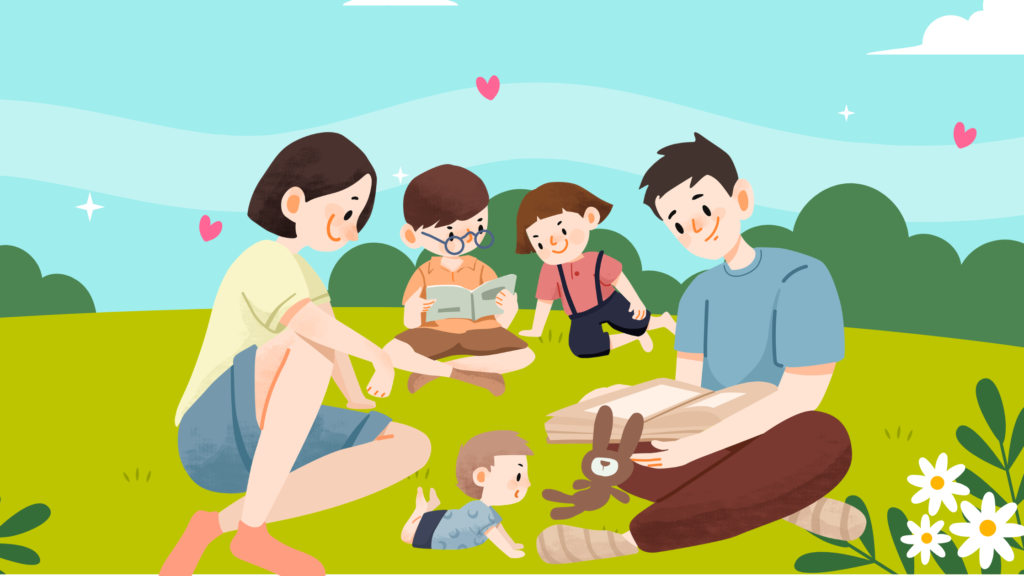
Daily 10-minute reading ritual
Parents can sit with their kids for just 10 minutes for a daily reading ritual, which is, in fact, more powerful than long reading sessions.
Consistency matters more than duration.
Parents need to unlearn
It is very common for parents to turn every story into a lesson, asking, “What did you learn?”, “What was the moral?”, or “Did you understand?”
Sometimes it is okay to simply enjoy the story together and do nothing.
Reading is fun
Before children read for learning, they need to read for fun and enjoyment. A child who enjoys books today is more likely to become a reader tomorrow. Make reading a fun activity rather than a chore.
Because the love of reading often starts with connection, not correction.
A simple question for parents: When your child sees a book, do they move closer to it or away from it? The answer often reveals how they feel about reading.