
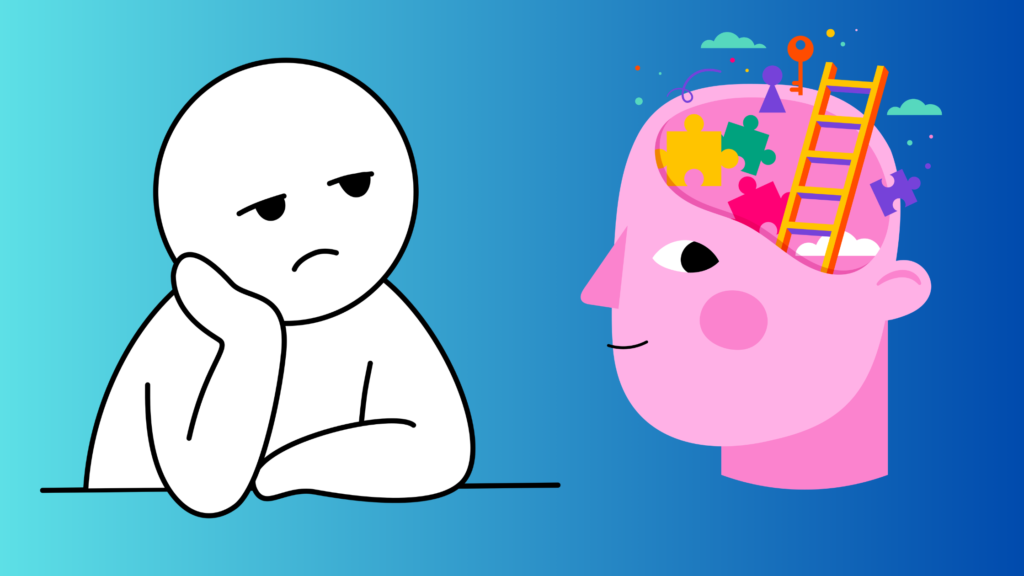
Why boredom sparks creativity more than apps


On the way back from school, Jay saw a boy sitting at the bus stop. He was very sad. Jay asked, “Hey mate, what is your name? Why are you sad?”

The boy replied, “I am Boredom! Nobody wants to be friends with me these days as everyone is busy with their mobile apps! It makes me feel sad!”

Jay responded, “Don’t worry, I would like to be your friend!”
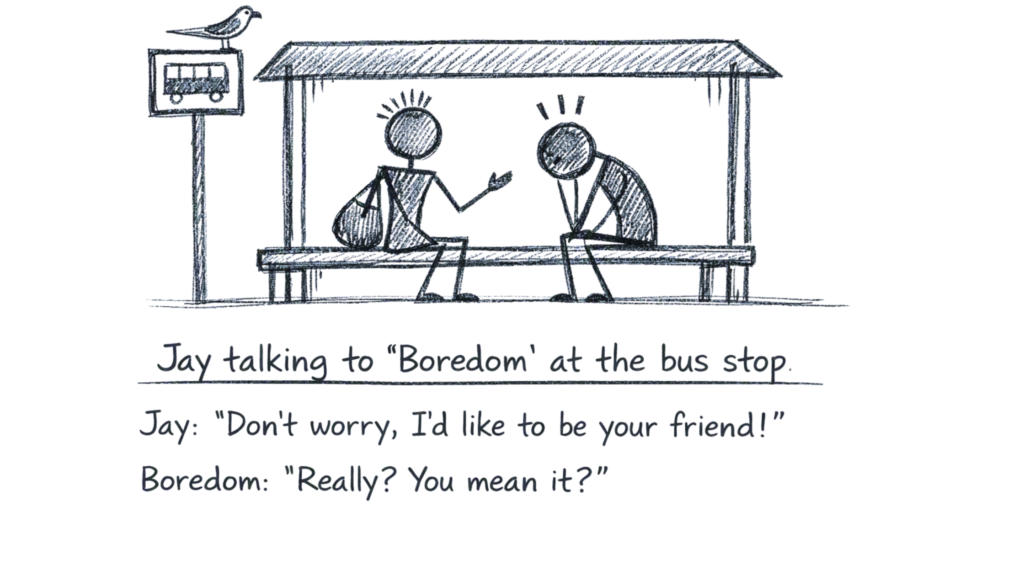
“Boredom”

We don’t like it, and we don’t want our children to like it. We always keep them busy with electronic gadgets or apps when they get bored.

Neuroscience research shows that when the brain is not focused on tasks like scrolling, the Default Mode Network (DMN) becomes active. This network is associated with daydreaming, creative problem‑solving, and out‑of‑the‑box thinking.

Thomas Edison was bored enough to wonder, “What if I trap lightning in glass?” We are missing this kind of boredom in today’s AI world.

Why boredom sparks creativity more than apps

Parents often try to fill every silent moment with screens or activities, not letting a child feel bored. However, there is one secret — boredom is not a gap; it is a gift!

When children feel bored, their minds wander. They invent games, build stories, and explore new ways to play. The wandering of the mind is the birthplace of creativity.

Apps or other distractions keep kids entertained but snatch away their creative imagination.

The next time your child says, “I am bored,” don’t rush to fill the silence with a distraction or device. Let them explore their silence or boredom. Behind it might be their next big idea.

Boredom is a gift!

Do share with us — what is the most creative thing your child has come up with when they feel bored?
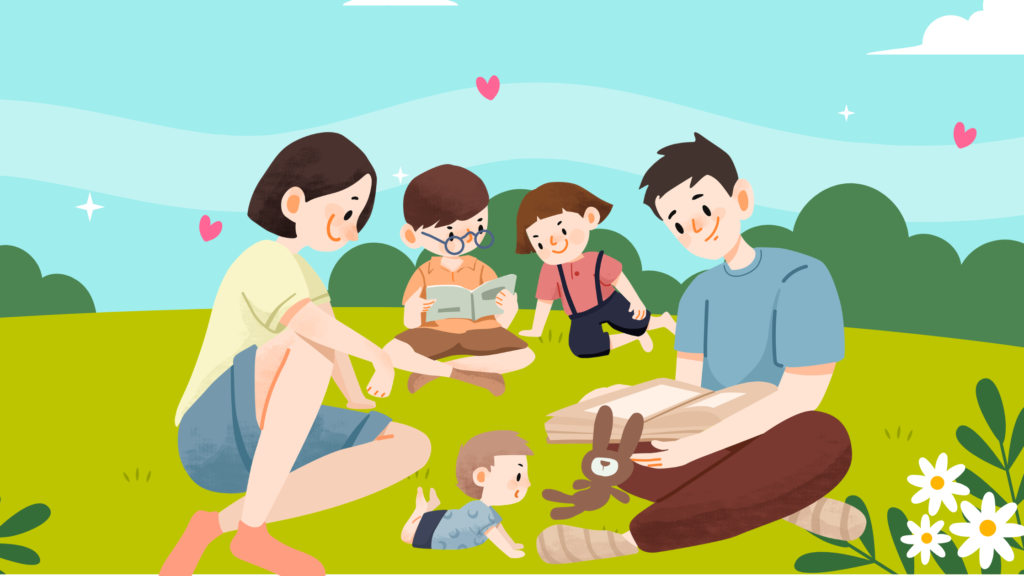
Why Some Children Love Reading and Others Don’t

Why Some Children Love Reading and Others Don't

Every child’s reading journey is unique. Some dive into books with joy, while others see reading only as homework. This is a question to all parents: Do you remember when you started reading? Did you enjoy reading, or was it just for school assignments?

Are children natural readers?

Indeed, many parents assume that reading is natural and that we learn it naturally as we grow and study. However, in reality, a child’s relationship with reading is often linked to the experiences and emotions they associate with books.

What is the feeling children associate with when they read books? Is it warmth or a feeling of dislike?

Reading is emotional before it is educational

Reading in early childhood is an emotional journey. Children who connect books with comfort, connection, curiosity, and adventure are more likely to become lifelong readers.

Daily 10-minute reading ritual

Parents can sit with their kids for just 10 minutes for a daily reading ritual, which is, in fact, more powerful than long reading sessions.

Consistency matters more than duration.

Parents need to unlearn

It is very common for parents to turn every story into a lesson, asking, “What did you learn?”, “What was the moral?”, or “Did you understand?”

Sometimes it is okay to simply enjoy the story together and do nothing.

Reading is fun

Before children read for learning, they need to read for fun and enjoyment. A child who enjoys books today is more likely to become a reader tomorrow. Make reading a fun activity rather than a chore.

Because the love of reading often starts with connection, not correction.

A simple question for parents: When your child sees a book, do they move closer to it or away from it? The answer often reveals how they feel about reading.